
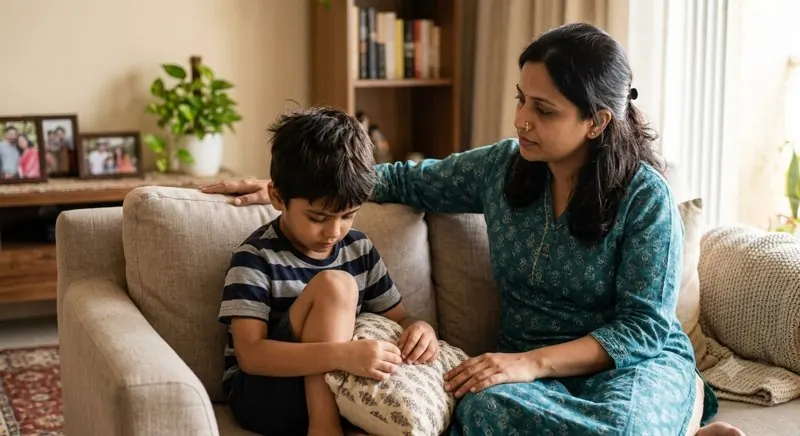
A child may need a psychologist if you notice a change in behaviour lasting more than two weeks, falling grades or school refusal, frequent stomach aches or headaches with no medical cause, sleep problems, withdrawal from friends, excessive fear, or a return to younger behaviours like bedwetting. Early support leads to much better outcomes.
I work with many children and teenagers. The line I hear most from parents is: “We thought it was just a phase.” Sometimes it is. But I have also seen small problems grow bigger when no one notices them early. And I have seen children get better much faster when parents catch the signs in time. Here are the signs I always tell parents to watch for.
The Signs Parents Often Miss
1. Sudden or lasting change in behaviour
If your child becomes noticeably more withdrawn, aggressive, tearful, or clingy — and this has lasted more than two weeks — it is worth paying close attention. One difficult week is normal. Sustained change is a signal.
2. Declining school performance or school refusal
When a child who previously enjoyed school suddenly refuses to go, or whose grades drop sharply — there is usually an underlying reason. Bullying, social anxiety, learning difficulties, or depression are common causes.
3. Frequent physical complaints with no medical cause
Recurring stomach aches, headaches, or other symptoms that doctors cannot explain are frequently the body's way of expressing emotional distress — especially in children who do not yet have words for what they feel.
4. Sleep disturbances
Difficulty falling asleep, frequent nightmares, or waking during the night can signal anxiety, trauma, or emotional overload.
5. Withdrawal from friends and activities
A child who stops wanting to play, see friends, or engage in hobbies they used to love is showing you something. Social withdrawal is one of the most consistent early signs of depression in children.
6. Excessive worry or fear
Some worry is normal. When worry is excessive, persistent, and interfering with daily activities — it may indicate an anxiety disorder.
7. Regression to earlier behaviours
Bedwetting, thumb-sucking, or speech regression in older children can be signs of significant stress.
Worried about your child?
Book a consultation with an experienced child psychologist in Dwarka or online.
What Parents Can Do
First: listen more than you speak. The most powerful thing you can offer is presence. Second: avoid minimising. 'It is not a big deal' teaches your child that their inner world cannot be trusted. Third: consult a professional. A child psychologist assessment gives you information, tools, and a plan.
A Word About Seeking Help Early
Early intervention in child psychology consistently produces significantly better outcomes. Children's brains are neuroplastic — meaning they are especially responsive to therapeutic support. The earlier you seek help, the more options are available. Learn more about our child and adolescent psychology services or book a consultation.
Frequently Asked Questions
Watch for changes that last more than two weeks: withdrawal, aggression or tearfulness, falling grades or refusing school, unexplained stomach aches or headaches, sleep problems, losing interest in friends, excessive fear, or a return to younger behaviours.
Listen more than you speak, avoid saying 'it is not a big deal', and consult a child psychologist. An assessment gives you clear information, practical tools and a plan.
Yes. Children's brains are especially responsive to support, so early intervention consistently leads to better outcomes and more options.
A note from my practice: Parents who bring their children early are never “overreacting.” They are giving their child the best start. If anything in this article felt familiar, trust that feeling.
Ready for Professional Support?
Book a session with Ms. Shilpi Aggarwal — in-clinic in Dwarka, Delhi or online across India.
Book a Session
Ms. Shilpi Aggarwal
RCI Licensed Clinical Psychologist & Psychotherapist · M.Phil Clinical Psychology · 14+ Years Experience · Dwarka, Delhi